Q: What is the difference between a commercial and residential wheelchair lift?
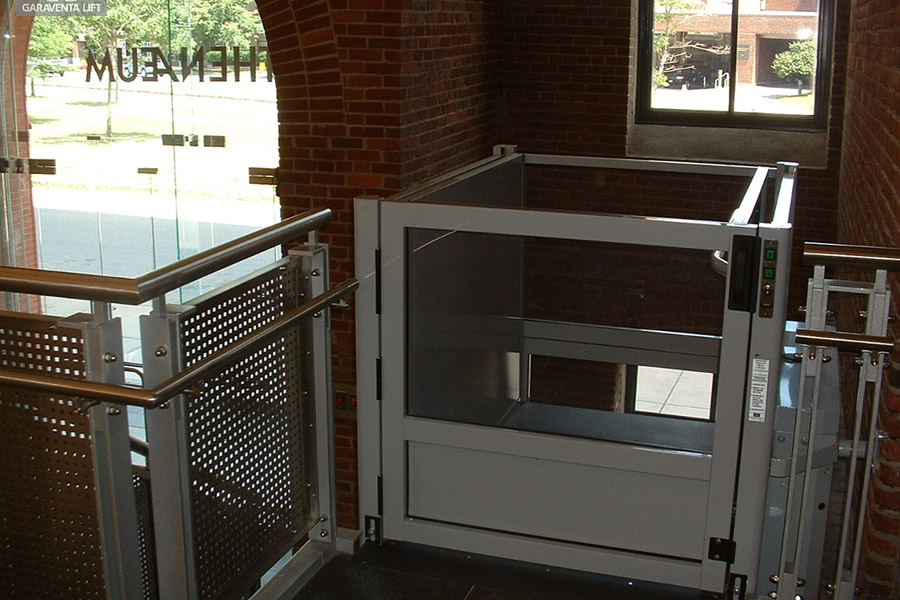
Commercial wheelchair lifts are built to a higher duty cycle than residential units — they are designed to handle more frequent use, higher traffic volumes, and the additional safety and code requirements that apply to public buildings. They also carry higher weight capacities and must meet ADA and IBC (International Building Code) requirements, which are more stringent than residential standards. Bedco Mobility specifies commercial-grade equipment for all public building installations.
Q: Does my building need to be ADA compliant?
The Americans with Disabilities Act (ADA) requires most public accommodations, commercial facilities, and state and local government entities to provide accessible routes between levels. If your building has stairs that create a barrier to access, you may be required to provide an accessible alternative — a platform lift, inclined lift, or elevator, depending on the configuration.
Bedco Mobility works with facilities managers and ADA coordinators to assess your building and specify the right solution for your compliance requirements. We are not lawyers and cannot provide legal ADA advice, but we can walk you through the equipment options and connect you with the right resources.
Q: Can you install a lift in a historic building?
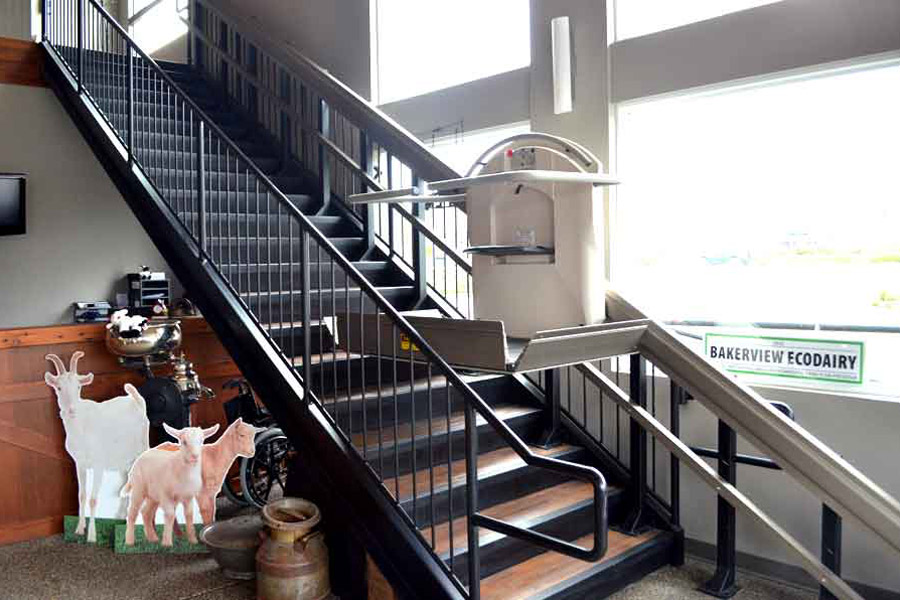
Yes — this is one of our specialties. Historic buildings present unique challenges: structural modification must often be minimized, aesthetic impact is a concern, and local historic preservation authorities may need to approve any changes. Bedco Mobility has extensive experience working within these constraints. Commercial inclined platform lifts are often the best solution for historic buildings, as they install on existing stairways with minimal structural impact and can be removed without permanent modification.
Q: Do you offer service contracts for commercial installations?
Yes. Bedco Mobility offers service and preventive maintenance agreements for all commercial installations. Our service technicians are full-time, in-house Bedco Mobility employees — not subcontractors — and provide scheduled maintenance visits, priority response for service calls, and full documentation for your compliance records. Ask about service agreement options when requesting your project quote.
Q: How long does a commercial lift installation take?
Installation timelines vary depending on the product type, building configuration, and permitting requirements. A commercial inclined lift or vertical platform lift can often be installed in one to two days once permitting is in place. More complex projects involving structural preparation may take longer. We provide a realistic project timeline during your initial consultation.
Q: Do you handle permits for commercial accessibility installations?
Yes. Bedco Mobility manages the permit application process for commercial accessibility installations throughout Maryland, Washington D.C., and Northern Virginia. All installations are inspected and approved by the relevant authorities before being placed into service.
Q: What areas do you serve for commercial projects?
Bedco Mobility serves commercial clients throughout Maryland, Washington D.C., and Northern Virginia — including Baltimore, Bethesda, Rockville, Silver Spring, Annapolis, Columbia, Ellicott City, Washington DC, Arlington, Alexandria, Fairfax, McLean, Reston, and all surrounding areas. Contact us to discuss your specific location.